Have you ever wondered why some words have so many synonyms while others have only a few? The English language is full of words that mean the same thing but with slight differences. Let’s explore why some words have more synonyms than others in a simple way.
1. The Influence of History
2. Different Uses and Contexts
3. Emotional and Creative Expression
4. Slang and Everyday Speech
5. Literature and Poetry
1. The Influence of History
English is a mix of different languages. Over time, it borrowed words from Latin, French, German, and many others. That’s why we have multiple words for the same thing.
- Example: “Kingly“ (from Old English), “Royal” (from French), and “Regal” (from Latin) all mean the same thing but come from different origins.
2. Different Uses and Contexts
Some words are used in many situations, so they develop more synonyms. For example:
- The word “big” has many synonyms like “large,” “huge,” “gigantic,” and “massive.”
- But a specific word like “microscope” doesn’t need many synonyms because it describes something very precise.
3. Emotional and Creative Expression
People like to express emotions and ideas in different ways. This leads to more synonyms for words related to feelings, actions, and descriptions.
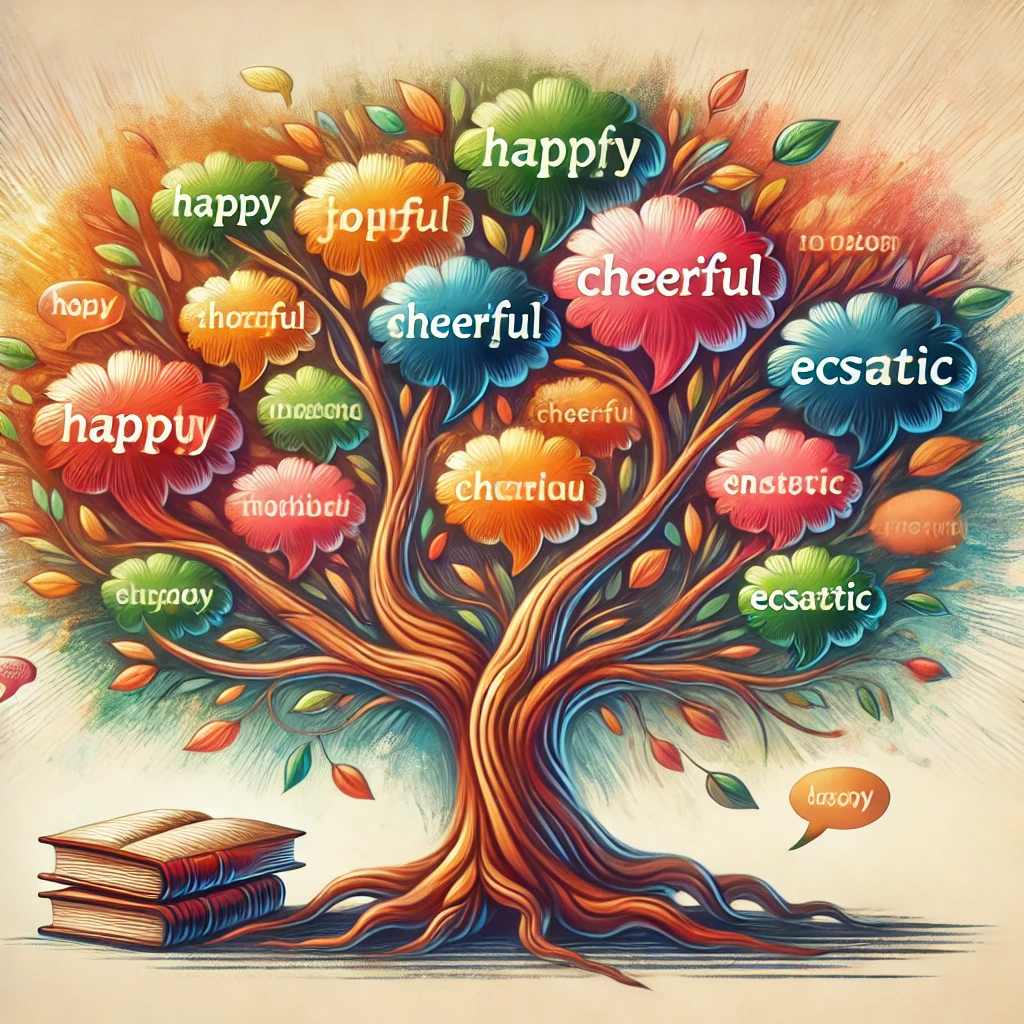
- Example: “Happy” has many synonyms like “joyful,” “cheerful,” “ecstatic,” and “content.”
- On the other hand, words related to technical terms, like “oxygen,” have fewer synonyms because they don’t need them.
4. Slang and Everyday Speech
Over time, people create new words or phrases to make conversations more interesting. This adds to the number of synonyms.
- Example: “Money” has many slang synonyms like “cash,” “bucks,” “dough,” and “moolah.”
5. Literature and Poetry
Writers and poets love using different words to make their writing more beautiful. This helps expand the number of synonyms for commonly used words.
- Example: Instead of always saying “said,” writers use words like “whispered,” “murmured,” “shouted,” or “declared.”
Final Thoughts
The number of synonyms a word has depends on history, how often it’s used, emotional expression, slang, and literature. Words that describe feelings, actions, or common things usually have more synonyms, while specific or technical words have fewer. Language keeps evolving, so new synonyms are always being created. That’s what makes English so rich and interesting!